How We Listen to Music
Read a balanced B2 article on how streaming changed music, for artists and listeners. With key words and comprehension questions.
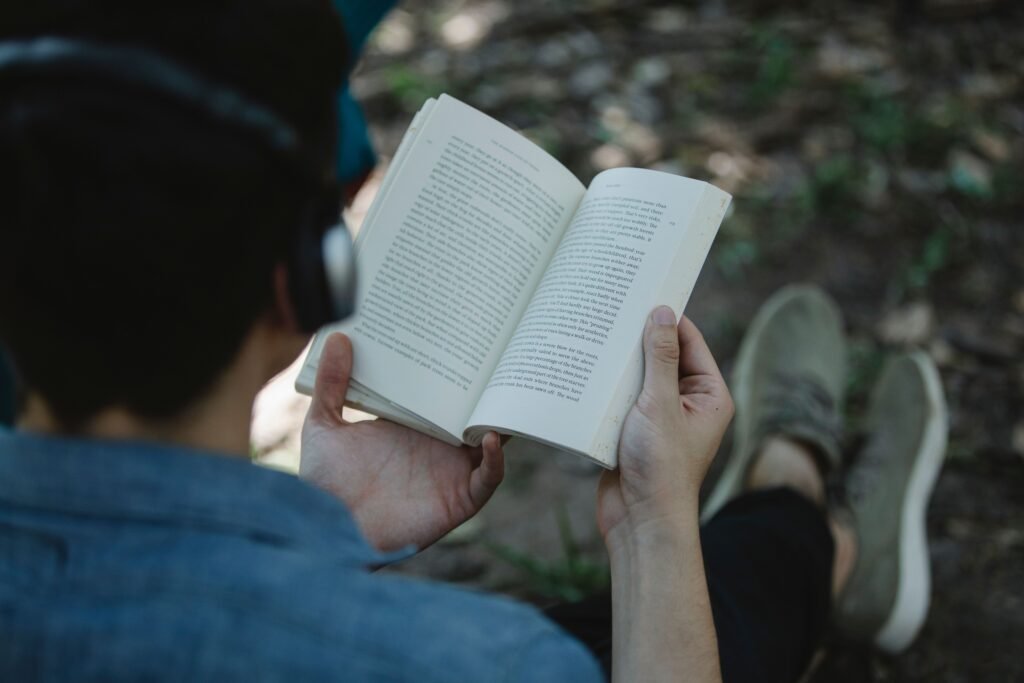
The way we listen to music has changed more in the past twenty years than in the previous century. Not so long ago, if you wanted to hear your favourite album, you had to buy it on a physical disc, carry it home and play it on a machine designed for that single purpose. Today, almost the entire history of recorded music sits in our pockets, available instantly through streaming services for the price of a monthly subscription. On the surface, this seems like nothing but progress. Yet the streaming revolution has brought consequences that are more complicated than they first appear.
The advantages are obvious and genuinely remarkable. Listeners now have access to tens of millions of songs, and they can discover artists from every corner of the world without leaving their homes. For independent musicians, streaming platforms offer a way to reach a global audience without the backing of a powerful record company. Music has, in a sense, been democratised: it is cheaper, more convenient and more varied than ever before.
However, not everyone is convinced that these changes are entirely positive. Critics point out that most artists earn very little from streaming, receiving only a tiny fraction of a penny each time one of their songs is played. For all but the most famous performers, it has become extremely difficult to make a living from recorded music alone. Some musicians argue that the system rewards quantity over quality, encouraging artists to produce short, catchy songs designed to be played repeatedly rather than albums meant to be appreciated as a whole.
There is also a subtler concern. When music was something we had to pay for and physically own, we tended to listen more carefully, playing an album many times until we knew it well. Now that everything is instantly available, some psychologists suggest that we value it less. We skip from track to track, rarely giving any single song our full attention. In gaining access to everything, we may have lost the deeper relationship that earlier generations had with the music they loved.
So is the streaming revolution a good thing or a bad thing? The honest answer is that it is both. It has opened doors that were once closed and made music a truly global language, yet it has also created real problems for the artists who make it and, perhaps, changed the way we experience it. Like most technological revolutions, it has given us a great deal while quietly taking something away.
- streaming – listening to or watching content online without downloading it
- subscription – a regular payment to use a service
- democratise – to make something available to everyone, not just a few
- fraction – a very small part of something
- subtle – not obvious; difficult to notice
Check your understanding
Answer the questions below. You will see instantly if you are right.
Want feedback from a real tutor on your reading, writing and speaking?
Book a Free Consultation